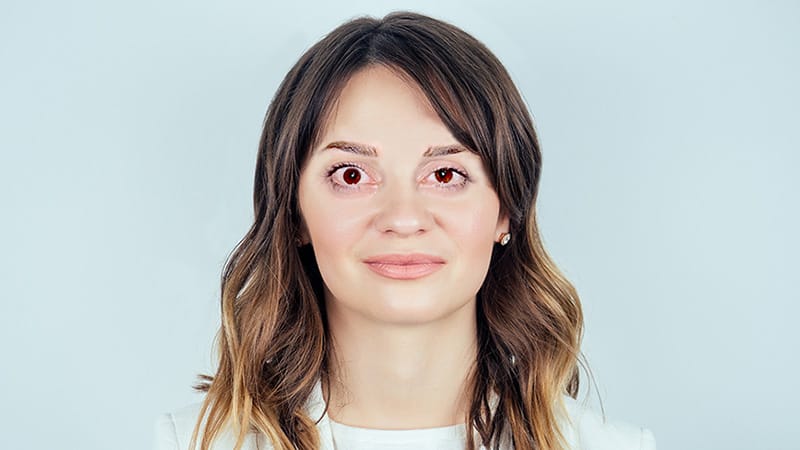
Our eyelids not only protect the eyes but also play an important role in facial expression. Normally, the upper eyelid starts just above the pupil and partially covers the eye. However, in some cases, the upper eyelid may stay higher than normal. This condition is medically called eyelid retraction. In daily life, people often describe it as “pulled-up eyelids,” and it can give the eyes a bulging or startled look.
Eyelid retraction can cause cosmetic concerns, but it may also be a sign of underlying health problems.
What is Eyelid Retraction?
Retraction means that the eyelid is positioned higher than normal. As a result, the eyes may look larger, more open, or bulging. In some people, it can affect both eyes, while in others, it may appear only in one eye.
Causes of Eyelid Retraction
There are several possible causes of eyelid retraction. The most common ones include:
- Thyroid eye disease (especially Graves’ disease):
Overactivity of the thyroid gland affects the tissues and muscles around the eyes. This may lead to the eyes protruding (exophthalmos) and the eyelids being pulled upward. - Problems with the eyelid muscles:
Excessive contraction or imbalance of the muscles that lift the eyelid can cause the lid to remain higher than normal. - Neurological diseases:
Certain neurological conditions can affect the nerves that control the eyelid, leading to retraction. - Trauma and previous eye surgeries:
Injuries around the eyes or certain surgical procedures may result in the eyelid healing in a higher position. - Congenital causes:
In some people, the eyelid may naturally be positioned higher from birth. - Facial paralysis:
After facial nerve palsy, the affected eye may remain too open (lagophthalmos), causing the eyelid to retract backward.
Symptoms
- Eyes looking constantly surprised or frightened
- Bulging appearance
- Eye dryness, burning, or stinging sensation
- Light sensitivity
- Frequent watering and redness
- Difficulty fully closing the eyes
- Facial asymmetry
Diagnosis
Your eye doctor can easily diagnose eyelid retraction with a detailed eyelid examination and measurements. To understand the underlying cause, thyroid tests, imaging studies, or neurological evaluations may also be required.
Treatment Options
Treatment is planned according to the underlying cause of eyelid retraction:
- If related to thyroid disease: The thyroid condition must be treated first.
- Surgical treatment: Corrective eyelid surgery can restore the eyelid to its normal position.
- Temporary solutions: Artificial tears and protective treatments can help reduce dryness and discomfort.
- Facial paralysis: Lubricating drops and, when necessary, surgery may be needed.
- Botox and fillers: These can sometimes be used to lower the eyelid and improve appearance.
Conclusion
Eyelid retraction is not only a cosmetic concern but may also signal systemic conditions such as thyroid disease.
👉 If your eyes look more open than normal, or you frequently experience burning, dryness, or discomfort, it is important to consult an eye specialist without delay.
Remember: Early diagnosis protects both your eye health and your facial appearance.